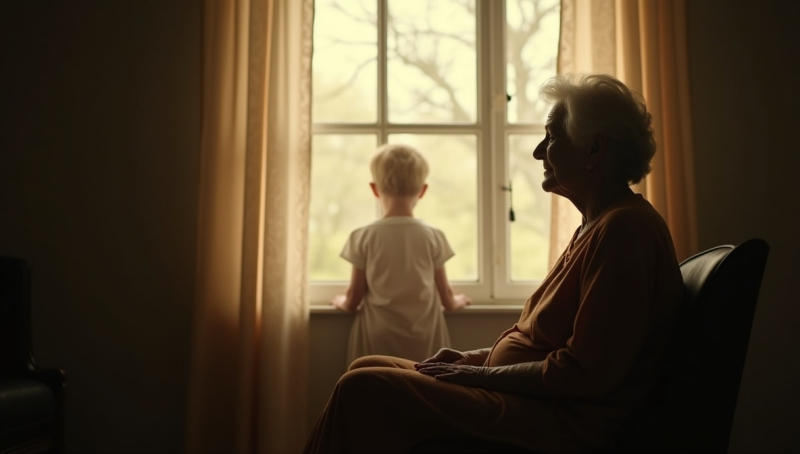
There’s an irony that has stayed with me for years, growing sharper the older I get. When we were children, my mother drilled into us the importance of positive thinking. She believed — fiercely — that attitude shaped outcome, that optimism was not naïve but necessary, and that a hopeful mindset could carry you through more than raw intelligence ever would.
“Keep your chin up,” she’d say. “Your thoughts matter.”
It was a message delivered so often that it became part of the background noise of childhood — accepted, rarely questioned, quietly absorbed.
And yet now, in her senior years, many of the mental faculties she once relied on have slipped away. Memory falters. Reasoning wobbles. The sharp, articulate woman who preached optimism now struggles with tasks that once seemed effortless. It’s impossible not to notice the contrast — and impossible not to feel the emotional weight of it.
The uncomfortable gap between belief and biology
Positive thinking is powerful, but it isn’t magic. That distinction becomes clearer with age.
What my mother taught us wasn’t wrong. A hopeful outlook can shape behaviour, reduce stress, and influence how people respond to challenges. But it cannot, on its own, override the realities of ageing, illness, or neurological change.
Cognitive decline is not a moral failure. It isn’t caused by insufficient optimism or a lack of effort. It’s a biological process influenced by genetics, health, environment, and time — factors that sit largely outside personal control.
Understanding this has been part of my own emotional recalibration. The beliefs that served my mother well for decades now coexist with a reality they were never meant to fully address.
For a clear, neutral overview of how ageing can affect cognition, this is a useful authority reference:
https://en.wikipedia.org/wiki/Cognitive_aging
What positive thinking really gave us
Looking back, I don’t think my mother believed positive thinking would prevent hardship. I think she believed it would help us face it.
That distinction matters.
Positive thinking didn’t promise immunity from loss or decline. It offered resilience — the ability to adapt, to keep going, to find meaning even when circumstances shifted. And in that sense, her lessons still hold value, even as her own abilities change.
What feels ironic on the surface becomes more nuanced with reflection. The mind may weaken, but the habits formed earlier in life often shape how families respond when that happens. Compassion, patience, and perspective are learned long before they’re needed.
Mental engagement versus mental control
One of the hardest lessons in watching cognitive decline is accepting how little control any of us truly have. We can support mental engagement, encourage curiosity, and keep the brain active — but none of that guarantees preservation.
What it can do is enhance quality of life in the present.
Engaging the mind through learning, challenge, and curiosity doesn’t stop time, but it can make time richer. That’s why discussions around activities that spark positive thinking often focus less on prevention and more on engagement — staying mentally involved, emotionally connected, and psychologically flexible.
Mental stimulation isn’t about outsmarting ageing. It’s about remaining part of the world for as long as possible.
The emotional inheritance of optimism
Perhaps the most lasting impact of my mother’s insistence on positive thinking isn’t found in her current mental state, but in ours — the children she shaped.
When memory fades, what remains is relationship. Tone. Emotional residue. The way someone made you feel when you were young often outlasts precise recollection.
Even now, when conversations loop or details are lost, the emotional core of who she was still surfaces: warmth, encouragement, a belief that things could be faced rather than feared.
Positive thinking didn’t protect her mind forever, but it shaped the environment in which decline is now navigated. That counts for something.
Accepting limits without losing meaning
There’s a temptation to see cognitive decline as a contradiction of everything that came before. I no longer see it that way.
Human life is not a single, consistent narrative. It’s a series of phases, each governed by different rules. The mindset that helps build a life is not always the same mindset that carries it gently to its later chapters.
Recognising limits doesn’t invalidate earlier wisdom. It reframes it.
Positive thinking was never a shield against time. It was a way of living well within it.
Holding both truths at once
It is possible to honour the power of mindset while acknowledging its limits. To value optimism without blaming those who lose cognitive ground. To encourage mental engagement without promising outcomes it cannot deliver.
That balance feels especially important now, as conversations around mental health and brain fitness become louder and more commercialised.
Sometimes the most honest approach is simply this: do what you can, cherish what you have, and accept what changes.
My mother taught me that. Not in words this time — but in example.
Add comment
Comments